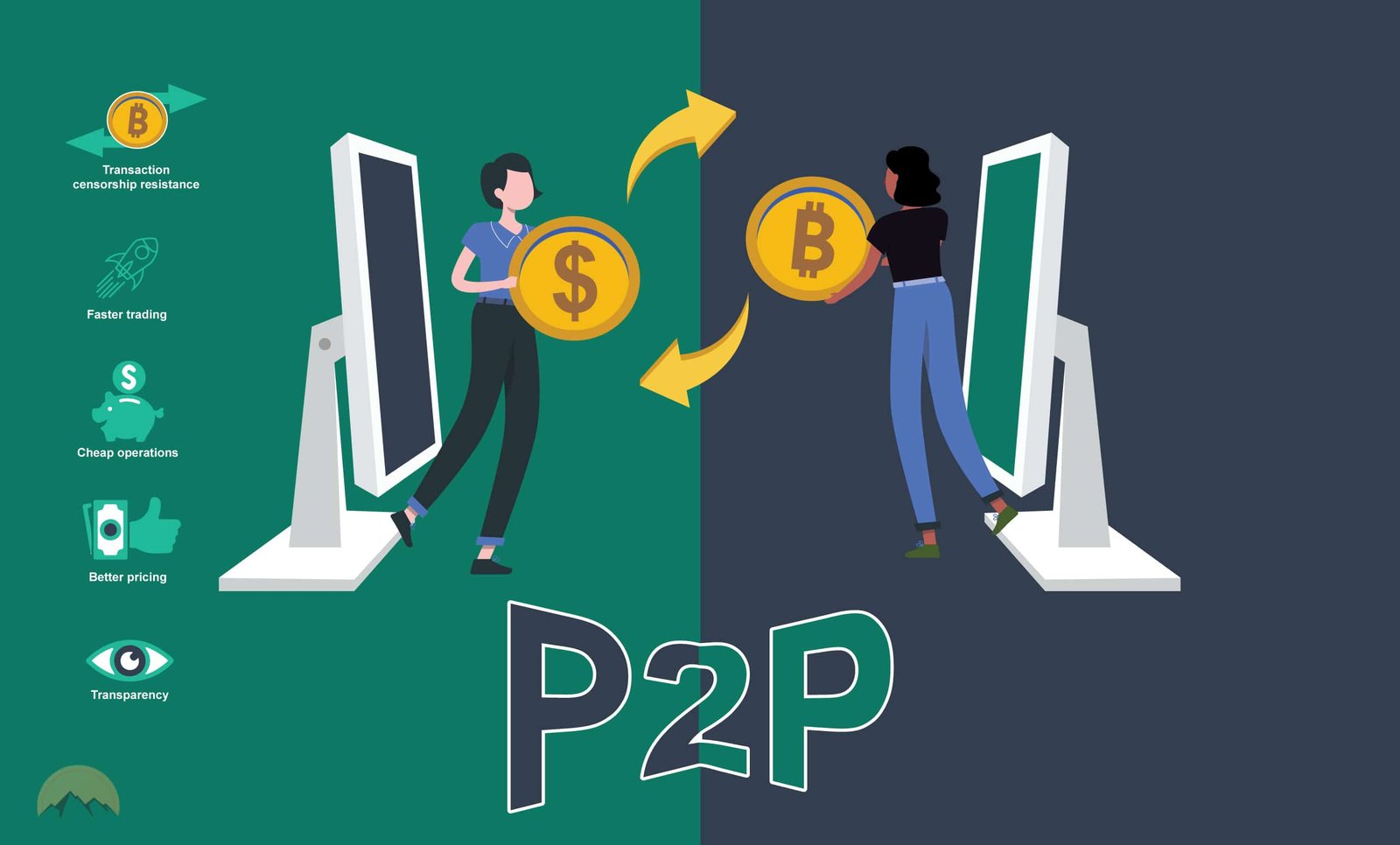

Peer-to-peer (P2P) crypto trading enables direct asset exchanges between users without intermediaries. Buyers and sellers set terms, with funds escrowed to reduce risk and settlement occurring upon fulfillment. A dispute framework guides evidence, timelines, and resolution. The approach hinges on platform reliability, transparent fees, and verifiable reputations. Practitioners must balance due diligence with practical constraints, documenting protocols and maintaining records. The outcome depends on governance, privacy, and prudent transaction sizing, inviting careful consideration of the next steps.
What Is P2P Crypto Trading and Why It Matters
Peer-to-peer (P2P) crypto trading refers to direct exchanges of digital assets between users without an intermediary to execute or custody trades. This method enables autonomous participation, yet introduces risk and variation in price discovery.
The two word discussion ideas: regulatory landscape, liquidity dynamics. It emphasizes freedom through informed choice while urging vigilance toward counterparty integrity, market transparency, and scalable, governance-friendly ecosystems.
How P2P Trading Works: Steps, Escrows, and Dispute Handling
P2P trading schemes operate through a structured sequence: counterparties initiate an offer, terms are agreed, funds are escrowed, and the trade settles upon completion.
The steps overview outlines seller-buyer alignment, payment methods, and verification.
Escrow services reduce risk, releasing assets after fulfillment.
If issues arise, dispute handling mechanisms determine evidence, timelines, and resolutions, preserving autonomy while enforcing fair, transparent exchange.
Safest Ways to Trade P2P: Platforms, PINs, and Fee Structures
Safest approaches to P2P trading emphasize platform reliability, robust authentication, and transparent fee structures. Platforms should offer audited processes, multi-factor PINs, and clear dispute resolution. Traders benefit from safe escrow and verifiable reputation systems. Fee transparency matters: compare maker/taker fees, withdrawal costs, and hidden charges. Caution remains essential; choose trusted partners, limit exposure, and document transactions to preserve financial freedom and accountability.
Getting Started: Practical Setup, Best Practices, and Common Pitfalls
Getting started with practical setup, best practices, and common pitfalls in P2P crypto trading requires a structured, risk-aware approach. A detached evaluation highlights due diligence, device hygiene, and verified counterparties, minimizing exposure to scams. Emphasize buying privacy controls and transaction records. Consider miner incentives shaping fees and liquidity. Documented protocols, cautious testing, and continuous monitoring underpin freedom with accountable risk management.
Frequently Asked Questions
How Do Tax Laws Apply to P2P Crypto Trades?
Tax implications vary by jurisdiction, but generally P2P crypto trades trigger capital gains or income events. Reporting requirements depend on local law; traders should track cost basis and timelines, maintain records, and consult a qualified tax advisor.
Can P2P Trading Be Used for Money Laundering Prevention?
P2P risk persists; potential proceeds pose practical problems for money laundering prevention. The method highlights compliance gaps and emphasizes cautious analysis: P2P trading can aid enforcement if robust AML controls are implemented, otherwise undermines targeted tracking and transparency.
What Happens if a Transaction Stalls Due to Network Issues?
Stalled transactions in P2P networks occur due to network reliability lapses and latency implications; traders must anticipate retries, timeouts, and fallback mechanisms, while maintaining caution. Network stability governs progression, throughput, and user autonomy within a dynamic ecosystem.
Are There Hidden Fees Not Shown by Platforms?
Hidden fees can exist, though not universally. Platforms vary in transparency; some obscure costs through spreads or withdrawal charges. A cautious reader should demand full platform transparency and independently verify all potential fees before committing to trades.
How Does KYC Affect Privacy in P2P Trades?
Keen whispers hint that KYC subtly reduces privacy in P2P trades. The analysis emphasizes privacy controls and data minimization, noting tradeoffs between compliance and personal freedom, urging cautious, analytical handling while preserving user autonomy and informed consent.
See also: Innovations in Semiconductor Technology
Conclusion
P2P crypto trading represents a flexible, user-driven marketplace, but it demands disciplined risk management. With escrow, verifiable reputations, and robust authentication, stakeholders can reduce exposure; yet disputes and scams persist if diligence wanes. The prudent path is rigorous due diligence, clear protocols, and meticulous record-keeping, paired with prudent trade sizing and platform scrutiny. In this landscape, safeguards act as compass needles, pointing toward safer trades—a steady drumbeat guiding participants through a volatile, still-tabley-risks terrain.
